
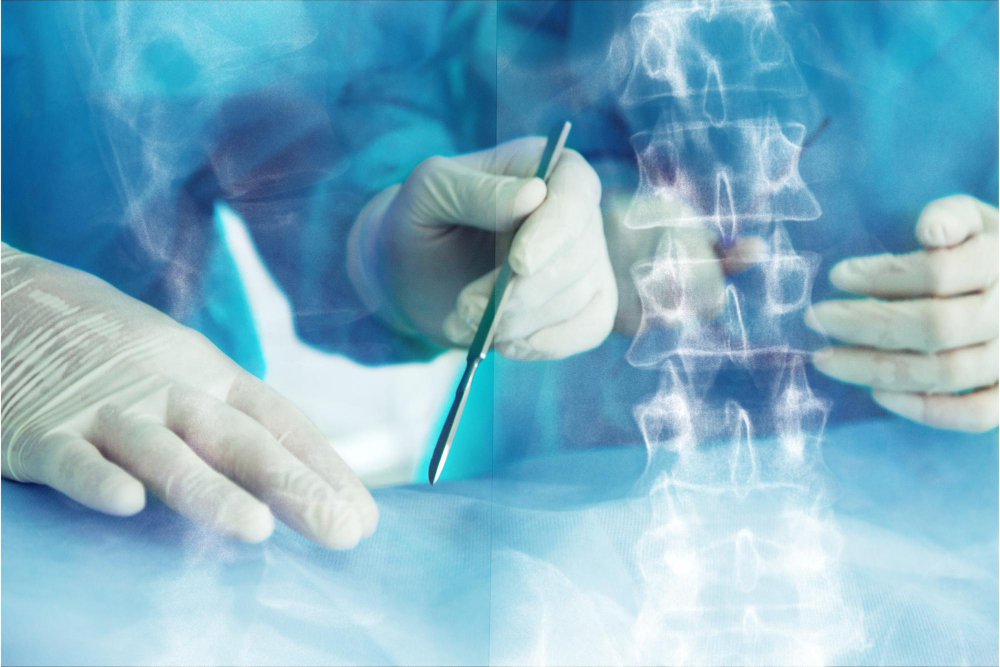
What Is Minimally Invasive Spine Surgery?
Minimally invasive spine surgery is a modern way to fix spine problems. Unlike traditional surgery, it uses small cuts instead of large ones. Because of this, patients often heal faster and feel less pain. Doctors use special tools and cameras to see inside the body. As a result, they can treat many spine issues with less harm to muscles and tissues. According to the CDC, these methods are safe and effective for many people. For many, this type of surgery means a quicker return to daily life.
Common Conditions Treated With Minimally Invasive Spine Surgery
Doctors use minimally invasive spine surgery for several spine problems. For example, it can help with:
Additionally, some people with scoliosis or spine infections may benefit. However, not every patient is a candidate. Your doctor will decide if this method is right for you.
How Minimally Invasive Spine Surgery Works
During minimally invasive spine surgery, doctors make small cuts in the skin. Next, they insert thin tubes and a tiny camera. Because the camera gives a clear view, doctors can work with great care. They use special tools to fix the problem area. In many cases, they remove or repair damaged tissue without moving much muscle. After surgery, doctors close the cuts with a few stitches. As a result, the body heals with less scarring and pain. This approach is different from traditional surgery, which needs bigger cuts and more recovery time.
Benefits of Minimally Invasive Spine Surgery
There are many benefits of minimally invasive spine surgery. For most people, these include:
In addition, the overall spine surgery recovery time is often much shorter. According to the WHO, many patients can go home the same day or within 24 hours. Because of these benefits, more people are choosing this type of surgery when possible.
Risks and Considerations
Even though minimally invasive spine surgery is safe, all surgeries have some risks. For instance, there may be bleeding, infection, or nerve injury. Sometimes, doctors may need to switch to open surgery if problems arise. However, serious problems are rare. Before surgery, your doctor will discuss all possible risks. It is important to follow your care team’s advice closely. This helps lower the chance of problems and supports a smooth recovery.
Recovery and Aftercare Tips
After minimally invasive spine surgery, recovery is usually quicker than with open surgery. Still, you need to take care of yourself. Here are some tips for a smooth recovery:
Because recovery time varies, always check with your doctor before returning to work or exercise. If you notice swelling, redness, or fever, contact your care team right away.
Prevention and Lifestyle Guidance
While some spine problems need surgery, many can be prevented. For example, keeping a healthy weight lowers stress on your back. Regular exercise, such as walking or swimming, keeps your spine strong. In addition, lifting objects safely can prevent injury. If you smoke, quitting can improve your spine health and speed up healing. Finally, always consult Dr. Dr Jyotheswara Reddy Gurijala about any back pain that lasts more than a few days. Early care can help you avoid bigger problems later.