
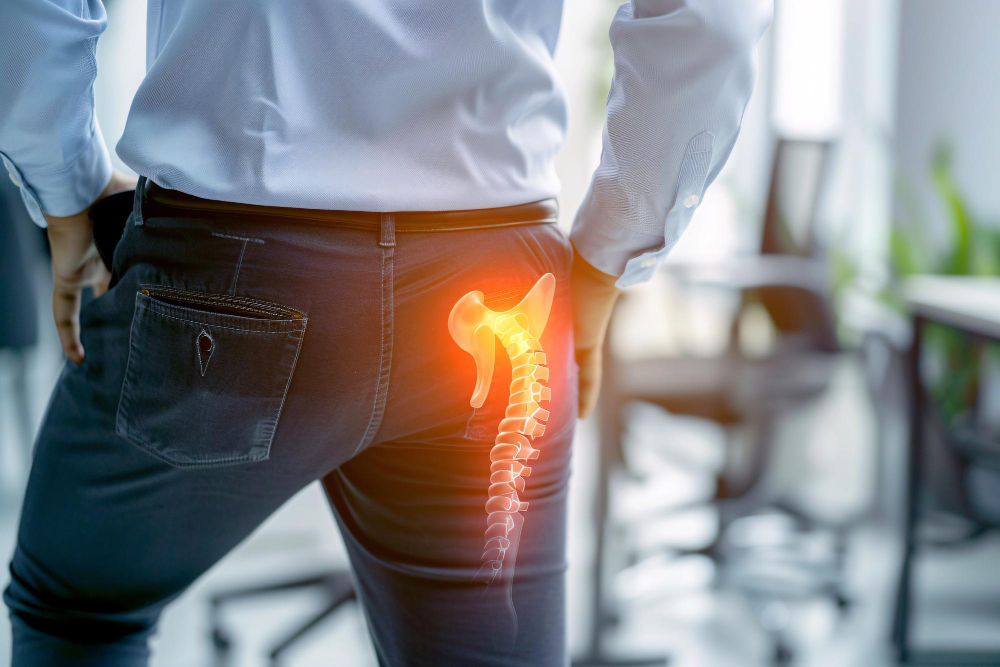
What is Lumbar Radiculopathy?
Lumbar radiculopathy is a condition where nerves in the lower back get pinched or irritated. This often leads to nerve pain in the lower back and legs. Many people call this pain “sciatica” when it affects the sciatic nerve. In the United States, lumbar radiculopathy is a common reason for doctor visits. The pain can range from mild to severe. Sometimes, it may also cause numbness or weakness in the legs. Because the nerves in your lower back control leg movement and feeling, any pressure on them can cause problems.
Common Symptoms
People with lumbar radiculopathy may notice several symptoms. For example, pain often starts in the lower back and travels down one leg. However, symptoms can vary. Here are some common signs:
Sometimes, the pain may feel worse at night or after standing for a long time. If you notice sudden weakness or loss of bladder control, seek medical help right away.
Main Causes and Risk Factors
Several things can cause lumbar radiculopathy. Most often, a herniated disc presses on a nerve root. However, other causes exist. For instance, bone spurs or arthritis can also lead to nerve pain in the lower back. Here are some main causes and risk factors:
Additionally, people with a family history of back problems may be at higher risk. Smoking and lack of exercise can also increase your chances.
Diagnosis Methods
Doctors use several steps to diagnose lumbar radiculopathy. First, they ask about your symptoms and medical history. Next, they perform a physical exam. During the exam, your doctor may check your reflexes, muscle strength, and feeling in your legs. If needed, they may order tests such as:
These tests help find the exact cause of your lower back and leg pain. According to the CDC, early diagnosis can lead to better outcomes.
Treatment Options
Treatment for lumbar radiculopathy depends on the cause and severity. Many people improve with simple steps. For example, rest and gentle movement can help. Here are common treatment options:
Most people do not need surgery. However, if you have severe nerve damage or cannot control your bladder, surgery may be necessary. Always discuss your options with your doctor.
Lifestyle Tips and Home Care
There are many ways to manage lumbar nerve root pain at home. For instance, staying active can help your back heal. Here are some helpful tips:
Additionally, losing excess weight can reduce pressure on your spine. If pain gets worse, contact your healthcare provider.
Prevention Strategies
While not all cases can be prevented, you can lower your risk of lumbar radiculopathy. For example, regular exercise keeps your back strong. Here are some prevention tips:
Because prevention is better than cure, these steps can help you avoid nerve pain in the lower back and legs.
Conclusion
In summary, lumbar radiculopathy is a common cause of lower back and leg pain. Early diagnosis and treatment can help you recover faster. For personalized advice on lumbar radiculopathy, consult a neurologist Dr Jyotheswara Reddy Gurijala.