What Are Congenital Spine Deformities?
Congenital spine deformities are spinal birth defects present at birth. These conditions affect the shape or structure of a baby’s spine. For example, some children are born with a curved spine, known as congenital scoliosis. Others may have missing or fused bones in the back. Because these changes happen before birth, they are called congenital. There are different types of congenital spine deformities, and each type can affect a child’s health in unique ways.
Common Symptoms
Not all children with congenital spine deformities show symptoms right away. However, some signs may appear as your child grows. Early detection is important. Look for these symptoms:
Sometimes, these symptoms are mild. But as children grow, the deformity may become more noticeable. Therefore, regular check-ups are helpful.
Causes and Risk Factors
Congenital spine deformities happen when the spine does not form properly during pregnancy. The exact cause is often unknown. However, some risk factors may increase the chance of spinal birth defects:
Even so, most cases occur without a clear reason. Because these changes happen early in pregnancy, prevention can be difficult.
Diagnosis and Tests
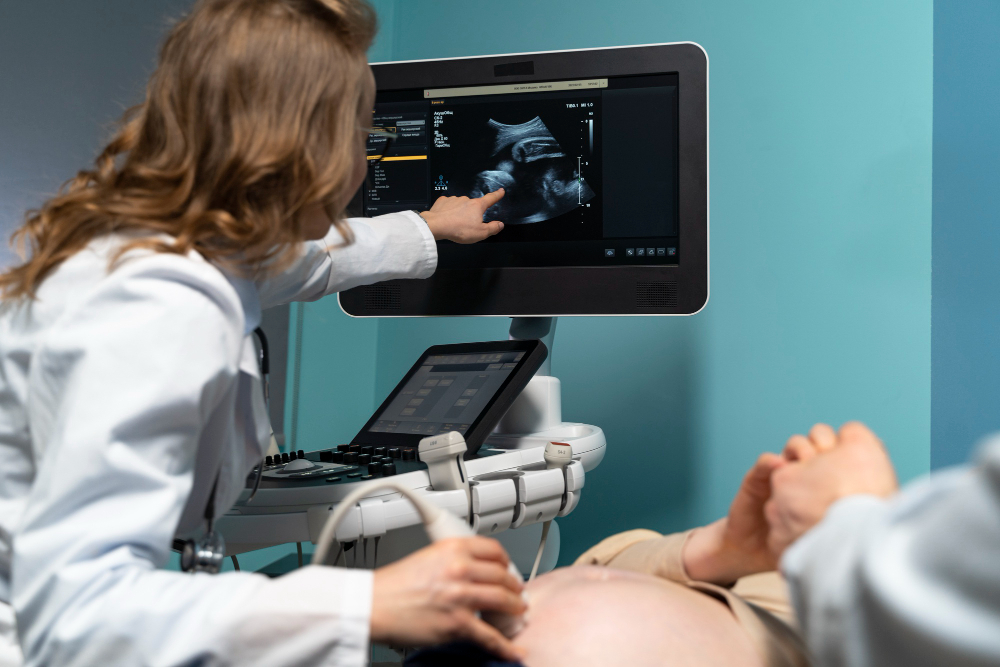
Doctors use several steps to diagnose congenital spine deformities. First, they will ask about your child’s health and family history. Next, they will perform a physical exam. If a deformity is suspected, doctors may order imaging tests, such as:
Sometimes, doctors use blood tests to rule out other conditions. Early diagnosis helps guide the best treatment options for congenital spine deformities.
Treatment Options
Treatment depends on the type and severity of the deformity. Some children need only regular check-ups. Others may need more active care. Common treatment options for congenital spine deformities include:
Doctors will discuss the best plan for your child. In many cases, early treatment can prevent future complications. According to the CDC and medical experts, surgery is only recommended when necessary.
Lifestyle Guidance and Prevention
While you cannot always prevent congenital spine deformities, healthy habits during pregnancy may help. For example, mothers should:
After birth, regular doctor visits help track your child’s growth. Early action can make a big difference. Although not all cases are preventable, these steps support overall health.
When to See a Specialist
If you notice any signs of a spine problem in your child, seek medical advice. For instance, uneven shoulders, a curved back, or trouble walking should be checked by a doctor. Early evaluation by a neurology or spine specialist can help find the best treatment. Remember, timely care can improve your child’s quality of life.
Consult Dr. Jyotheswara Reddy Gurijala, a neurology or spine specialist, for personalized advice on congenital spine deformities.