What Is Epidural Adhesiolysis?
Epidural adhesiolysis is a minimally invasive spine procedure. Doctors use it to treat chronic back and leg pain. Often, this pain is caused by scar tissue or adhesions in the spine. These adhesions can press on nerves and cause discomfort. Epidural adhesiolysis helps break up these adhesions. As a result, it can relieve pain and improve movement. Many people seek this treatment when other pain management options do not work.
Symptoms and Causes of Spinal Pain Treated by Epidural Adhesiolysis
Spinal pain can make daily life hard. However, not all back pain needs this procedure. Epidural adhesiolysis is often used for:
Scar tissue can form after surgery, injury, or inflammation. This tissue may stick to nerves in the spine. When this happens, it can cause pain, tingling, or weakness. For many, these symptoms do not go away with medicine or physical therapy. In such cases, doctors may suggest epidural adhesiolysis.
How Epidural Adhesiolysis Works: The Procedure Explained
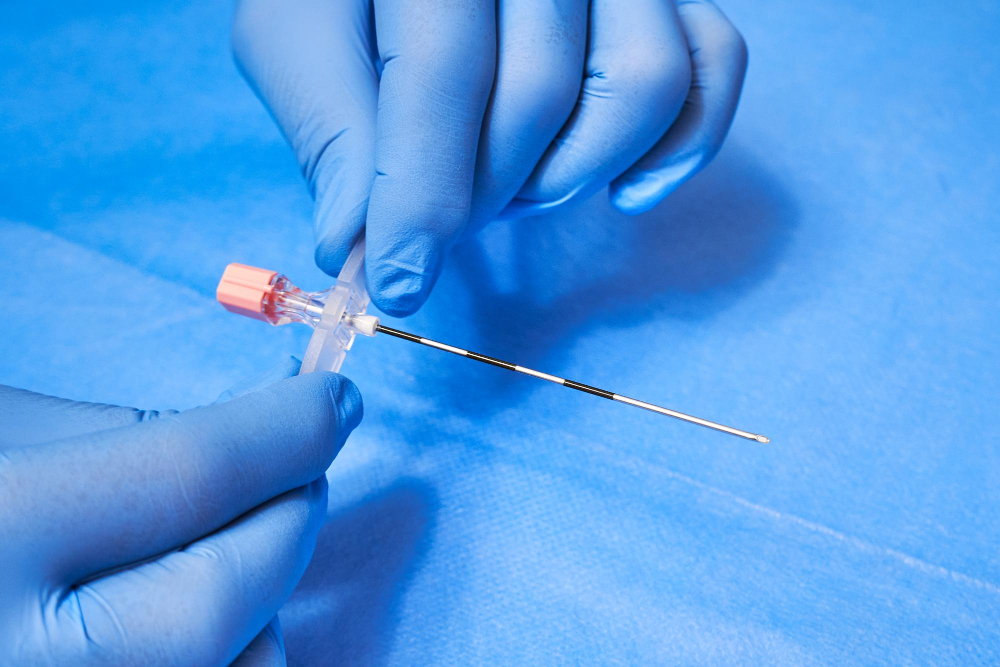
First, your doctor will explain the steps. Usually, the procedure takes place in a special clinic or hospital. You will lie face down on a table. Next, the doctor numbs the skin over your lower back. Then, a thin tube called a catheter is gently inserted into the epidural space of your spine. This space surrounds the spinal cord and nerves.
After that, the doctor uses X-ray guidance to move the catheter to the right spot. Special medicines are injected through the catheter. These medicines help break up scar tissue and reduce swelling. Sometimes, a small amount of fluid is used to separate the adhesions. The whole process usually takes less than an hour. Most people go home the same day.
Benefits and Risks of Epidural Adhesiolysis
Epidural adhesiolysis offers several benefits for people with stubborn spinal pain. For example, it can:
However, every procedure has risks. Although rare, possible risks include:
Most people recover well, but it is important to discuss all risks with your doctor. According to studies in peer-reviewed journals, serious complications are uncommon when performed by trained specialists.
Recovery and Aftercare Tips
After the procedure, you will rest for a short time. Most people can walk and return home the same day. However, you should avoid heavy lifting or strenuous activity for at least 24 hours. Some people feel mild soreness at the injection site. This usually goes away within a few days.
To help your recovery:
If you notice severe pain, weakness, or trouble controlling your bladder or bowels, contact your doctor right away. These symptoms are rare but need quick attention.
Prevention and Lifestyle Guidance for Spinal Health
While epidural adhesiolysis can help break pain cycles, it is also important to care for your spine every day. For example, you can:
Additionally, avoid smoking, as it can slow healing and worsen back pain. If you have a job that requires sitting for long periods, take breaks to move around. These habits can help prevent future spinal problems and support long-term pain relief.
In summary, epidural adhesiolysis is a safe and effective option for many people with chronic spinal pain. However, it is important to talk with a pain management and spine specialist to see if this treatment is right for you. Consult Dr. Jyotheswara Reddy Gurijala, a pain management and spine specialist, for personalized advice on epidural adhesiolysis and spinal pain relief.