
Introduction
Minimally invasive endoscopic spine surgery is a modern approach to treating spine problems. This technique uses small incisions and a tiny camera to help doctors see and fix issues in the spine. Because it is less invasive, patients often experience less pain and a quicker recovery. In fact, many people choose minimally invasive endoscopic spine surgery for its many benefits, such as reduced risk and smaller scars. If you are considering spine surgery, learning about this option can help you make an informed choice.
What Is Minimally Invasive Endoscopic Spine Surgery?
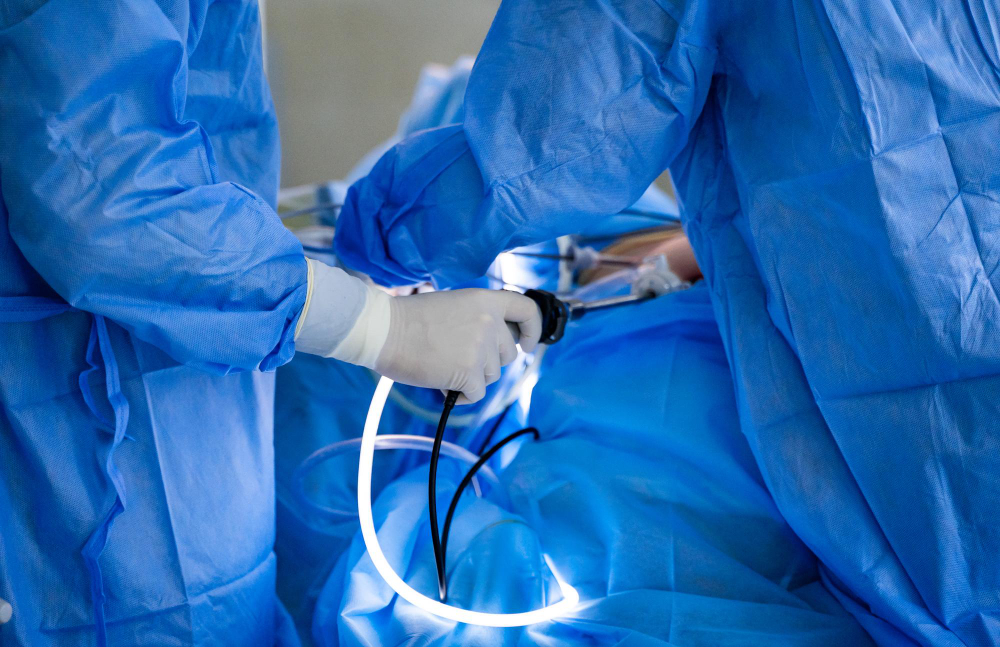
This surgery is a special way to treat spine conditions using small tools and a thin camera called an endoscope. Instead of making a large cut, the surgeon makes a few tiny incisions. Through these openings, the doctor can see the problem area and fix it with great care. As a result, there is less damage to muscles and tissues around the spine. For example, this method is often used to treat herniated discs, spinal stenosis, and some types of back pain. According to the American Association of Neurological Surgeons, this approach is safe and effective for many patients.
Key Benefits of Minimally Invasive Endoscopic Spine Surgery
There are many reasons why people prefer this type of surgery. Some of the main benefits include:
Additionally, this method often leads to better movement and less need for pain medicine. The World Health Organization and recent studies support these findings, showing that minimally invasive spine surgery is both safe and effective.
Who Can Benefit from This Procedure?
Not everyone needs spine surgery, but many people with certain back problems can benefit. For instance, you may be a good candidate if you have:
However, your doctor will check your health and medical history before recommending this surgery. Sometimes, traditional surgery may be better for complex spine issues. Therefore, it is important to talk with a spine specialist to see if this option is right for you.
Recovery and Aftercare
After minimally invasive endoscopic spine surgery, most patients recover quickly. In many cases, you can walk the same day. Because the cuts are small, you may feel less pain and need fewer pain medicines. Still, you should follow your doctor’s advice for the best results. For example, you may need to:
With proper care, most people return to work and daily life much sooner than with traditional surgery. According to the CDC, following aftercare instructions helps prevent problems and supports healing.
Frequently Asked Questions
Is minimally invasive endoscopic spine surgery safe?
Yes, this surgery is considered safe for many patients. However, like all surgeries, there are some risks. Your doctor will discuss these with you.
How long does the surgery take?
Usually, the procedure takes one to two hours. Sometimes, it may take a bit longer, depending on the problem.
Will I need to stay in the hospital?
Often, patients go home the same day. In some cases, you may stay one night for observation.
When can I return to work?
Most people return to work within a few weeks. However, this depends on your job and how quickly you heal.
Are there any long-term effects?
Most patients enjoy lasting relief from pain. Still, it is important to follow your doctor’s advice to keep your spine healthy.
Conclusion and Next Steps
In summary, minimally invasive endoscopic spine surgery offers many benefits, such as less pain, faster recovery, and smaller scars. Because it uses advanced tools and techniques, it is a safe and effective choice for many people with spine problems. If you have ongoing back pain or other spine issues, talk to a neurosurgeon or spine specialist like Dr. Jyotheswara Reddy Gurijala. They can help you decide if minimally invasive endoscopic spine surgery is right for you.