What Is Scoliosis?
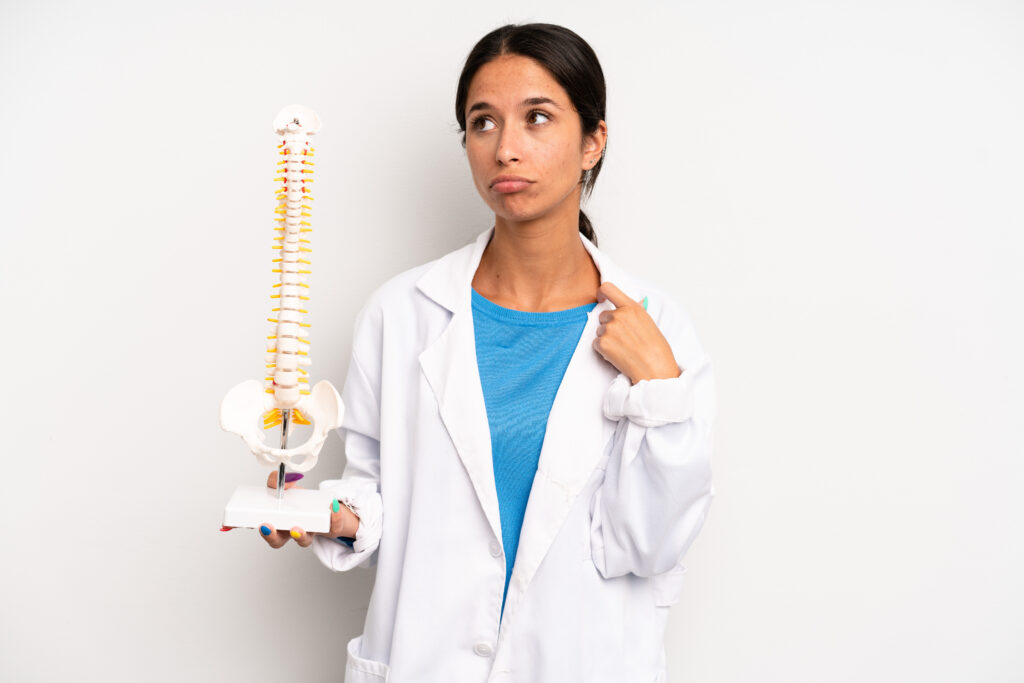
Scoliosis is a condition where the spine curves sideways. Usually, the curve looks like an “S” or “C” shape. While mild cases may not cause problems, severe scoliosis can affect breathing and movement. Many people wonder about the risk factors of scoliosis and how to prevent it. Understanding these factors can help you spot early signs and seek help sooner.
Why Understanding Risk Factors Matters
Knowing the risk factors of scoliosis is important for everyone. Early knowledge helps you watch for warning signs. For example, if you know your child is at risk, you can check their posture more often. In addition, understanding scoliosis causes can help you talk to your doctor about prevention. Early action often leads to better outcomes.
6 Most Common Risk Factors of Scoliosis
Many people ask, “Who is at risk for scoliosis?” While anyone can develop it, some factors make it more likely. Here are the six most common risk factors of scoliosis:
According to the World Health Organization (WHO), early detection is key for managing these scoliosis risk factors in children and adults.
Tips for Early Detection and Prevention
Although you cannot always prevent scoliosis, you can catch it early. Here are some helpful tips:
With these steps, you can help with preventing scoliosis or catching it early.
When to Seek Medical Advice
If you notice any signs of scoliosis, do not wait. For example, if your child’s shoulders look uneven or their clothes fit oddly, see a doctor. Early treatment can prevent the curve from getting worse. In addition, if you have a family history or other risk factors, regular check-ups are important. Remember, only a healthcare professional can diagnose scoliosis and suggest the best treatment.
Conclusion
To sum up, knowing the risk factors of scoliosis helps you stay alert and take action early. If you have concerns about your spine or your child’s, consult an orthopedic specialist Dr. Jyotheswara Reddy Gurijala for personalized advice on scoliosis risk and prevention.