
Common Symptoms When Standing vs. Sitting
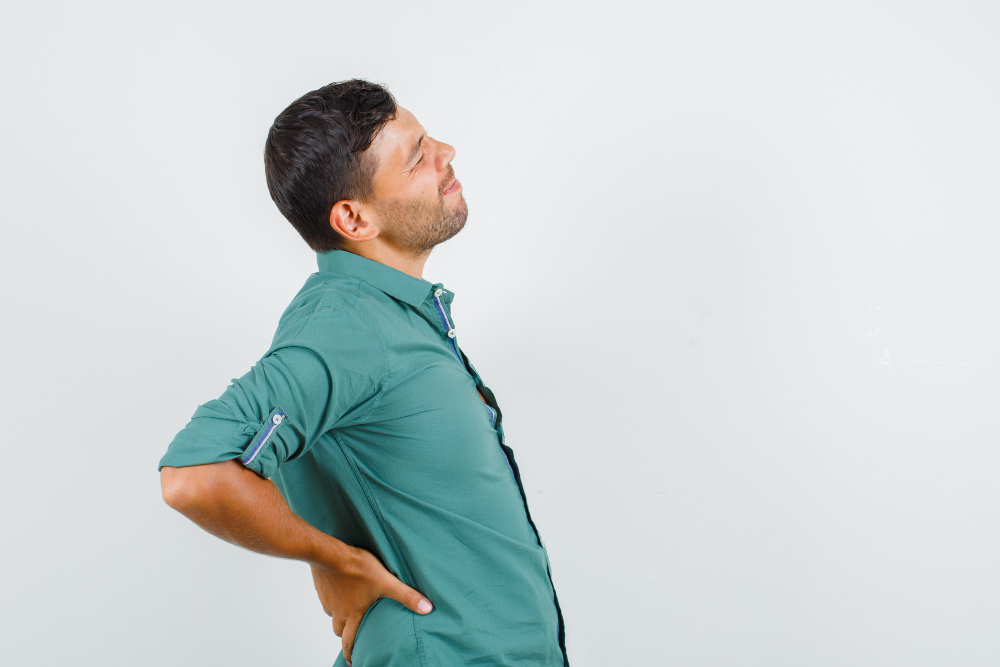
Many people notice their back hurts more when standing. Yet, when they sit down, the pain often eases. This difference is common with certain types of back pain. For example, you might feel:
However, some people may also feel tingling or numbness. These symptoms can change based on your posture or how long you stand. According to the CDC, back pain is one of the most common reasons people visit a doctor.
Causes of Back Pain That Worsens When Standing
Back pain when standing can have many causes. Often, the pain comes from how your spine and muscles work together. Some common reasons include:
For many, sitting relieves pressure on the spine. As a result, pain often fades when you rest or change position. The World Health Organization notes that back pain can affect people of all ages, but it is more common as we get older.
How Doctors Diagnose This Type of Back Pain
First, doctors will ask about your symptoms. They may want to know when your back hurts more—standing, sitting, or moving. Next, they will check your posture and how you move. Sometimes, they may gently press on your back to find sore spots. In many cases, doctors use these steps:
Often, these tests help find the cause of your back pain when standing. If you live in a large city, you may find back pain specialists in your area who can offer advanced care. According to orthopedic journals, early diagnosis can help prevent long-term problems.
Treatment Options for Back Pain That Is Worse When Standing
Treatment depends on the cause of your pain. However, many people find relief for standing back pain with simple steps. Some common treatments include:
Sometimes, doctors may suggest injections or other treatments if pain does not improve. According to the CDC, most people feel better with simple care and do not need surgery.
Lifestyle Tips and Posture Guidance
Good habits can make a big difference. For example, standing with your feet shoulder-width apart helps balance your weight. You can also try these tips:
In addition, using a standing mat at work can reduce strain. If you need more help, a physical therapist can teach you the best ways to stand and move.
Prevention Strategies for Standing-Related Back Pain
Preventing back pain when standing is possible with a few changes. For instance, you can:
Moreover, seeing a doctor early if you notice pain can help prevent it from getting worse. The World Health Organization recommends staying active and using proper posture as key steps for a healthy back.