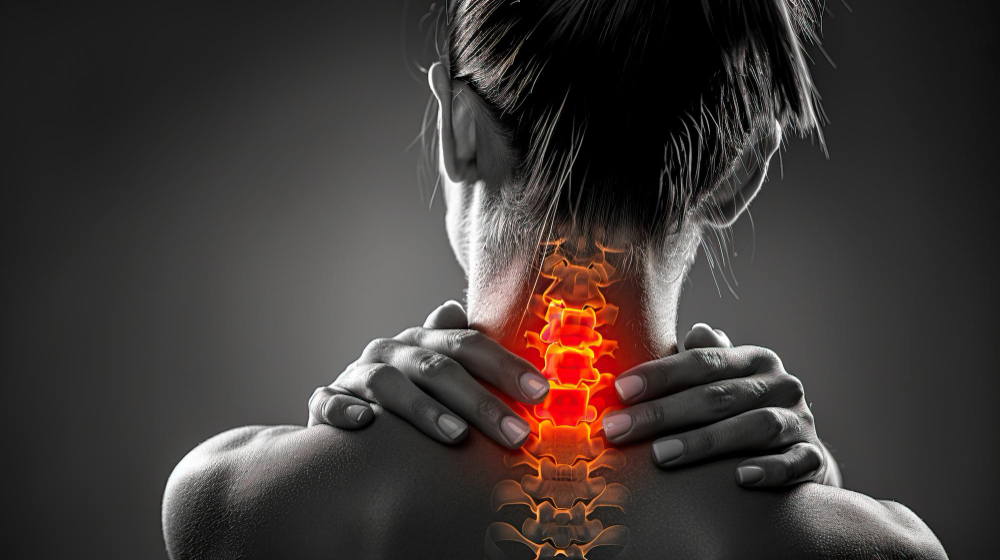
What is Cervical Disc Prolapse?
Cervical disc prolapse, also called cervical disc herniation, happens when a disc in your neck slips out of place. This disc sits between the bones in your neck. When it moves, it can press on nerves or the spinal cord. As a result, you may feel pain, numbness, or weakness. Cervical disc prolapse is a common cause of neck pain. According to the World Health Organization (WHO), neck pain affects many people worldwide. However, not all neck pain comes from disc problems.
Common Causes of Cervical Disc Prolapse
There are several reasons why a cervical disc may slip or bulge. Often, more than one factor is involved. For example, age and daily habits can play a role. Here are some common causes:
Because these causes are common, it is important to know how to protect your neck.
Recognizing Symptoms
Symptoms of cervical disc prolapse can vary. Sometimes, you may not notice any signs at first. However, as the disc presses on nerves, you may feel:
In rare cases, you may have trouble with balance or bladder control. If this happens, seek medical help right away.
How Cervical Disc Prolapse is Diagnosed
Doctors use several steps to diagnose cervical disc prolapse. First, they ask about your symptoms and medical history. Next, they do a physical exam to check your neck and nerves. Often, they may order tests to see the discs and nerves more clearly. These tests can include:
Because early diagnosis helps, see a doctor if you have ongoing neck pain or numbness.
Treatment Options
Treatment for cervical disc prolapse depends on your symptoms and how severe they are. In many cases, symptoms improve with simple steps. Here are common treatment options:
Sometimes, if symptoms do not improve or get worse, surgery may be needed. However, most people get better without surgery. According to the CDC, non-surgical treatments help many patients recover.
Lifestyle Tips and Prevention
There are steps you can take to lower your risk of cervical disc problems. Even if you have had a disc prolapse, these tips can help prevent future issues. For example:
Because prevention is easier than treatment, try to follow these habits every day.
When to See a Doctor
Most neck pain goes away with rest and care. However, you should see a doctor if:
Early treatment can prevent problems from getting worse. Therefore, do not wait if you have these symptoms.
If you have symptoms of cervical disc prolapse, consult an orthopedic specialist Dr Jyotheswara Reddy Gurijala for personalized advice.